
As the school year winds down, the challenge shifts from introducing new concepts to keeping students engaged while meaningfully wrapping up your time together. This period, brimming with excitement and anticipation, is a crucial opportunity for reflection, celebration, and a smooth transition to the next grade. Finding the right balance between fun and purpose can be tricky, but a well-planned series of activities ensures the final days are as productive and memorable as the first. This guide is your ultimate resource for impactful end of year classroom activities.
We've compiled a comprehensive list of ten practical, engaging, and low-prep ideas designed to celebrate every student's journey and achievements. From collaborative yearbook projects that foster reflection to energetic class Olympics that build camaraderie, you'll find strategies that work for every grade level. Each suggestion includes actionable insights and specific implementation details.
Furthermore, we'll provide unique coloring advice on how to integrate creative and calming printables from Colortada into these celebrations. You will learn how to use coloring to enhance memory books, create custom awards, and provide a relaxing activity during busy party days. This list will help you create a positive, lasting final impression that honors a year of hard work and growth.
1. Class Yearbook or Memory Book Project
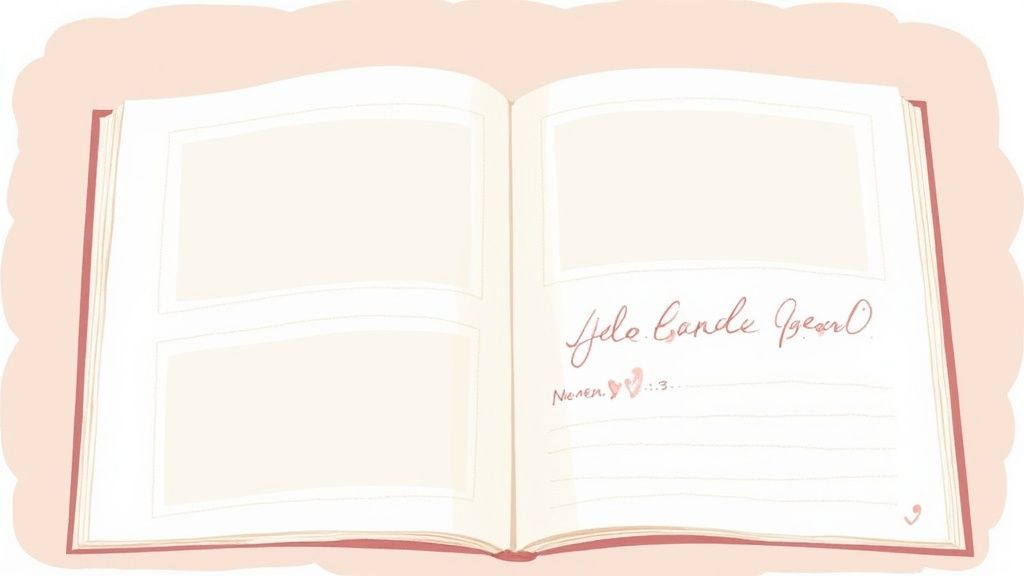
Creating a class yearbook or memory book is one of the most classic end of year classroom activities, offering a tangible keepsake that students will cherish for years. This collaborative project allows each student to design a page about themselves, complete with photos, favorite memories, and quotes, while also leaving space for classmates to write farewell messages and signatures. It’s a powerful way to celebrate the community and individual growth that occurred throughout the school year.
How to Implement a Memory Book Project
For a successful project, provide clear structure and timelines. Start at least two to three weeks before the final day of school to allow ample time for creation, submission, and assembly.
- Provide Templates: Give students a consistent template for their page. This can be a physical handout or a digital slide. Include sections for a self-portrait, "My Favorite Memory," "What I Learned This Year," and "My Summer Plans." Practical Example: Create a Google Slide template with pre-set text boxes and an image placeholder for a student photo.
- Integrate Coloring: Use Colortada's "All About Me" printable as the base for each student's page. Encourage them to use colored pencils or fine-tip markers to fill in the designs with their class or school colors for a unified, spirited look. Coloring Advice: Suggest a complementary color scheme, like blues and oranges, to create vibrant pages that pop.
- Go Digital or Physical:
- Physical: Print the completed pages and bind them using a simple report cover or three-ring binder.
- Digital: Use a shared Google Slides presentation where each student gets their own slide. For a modern twist, you can even learn how to create engaging virtual yearbooks with a photo booth to add dynamic, fun pictures to your digital book. Platforms like Mixbook or Jilster are also great for creating professionally printed keepsakes.
2. End-of-Year Class Party and Celebration
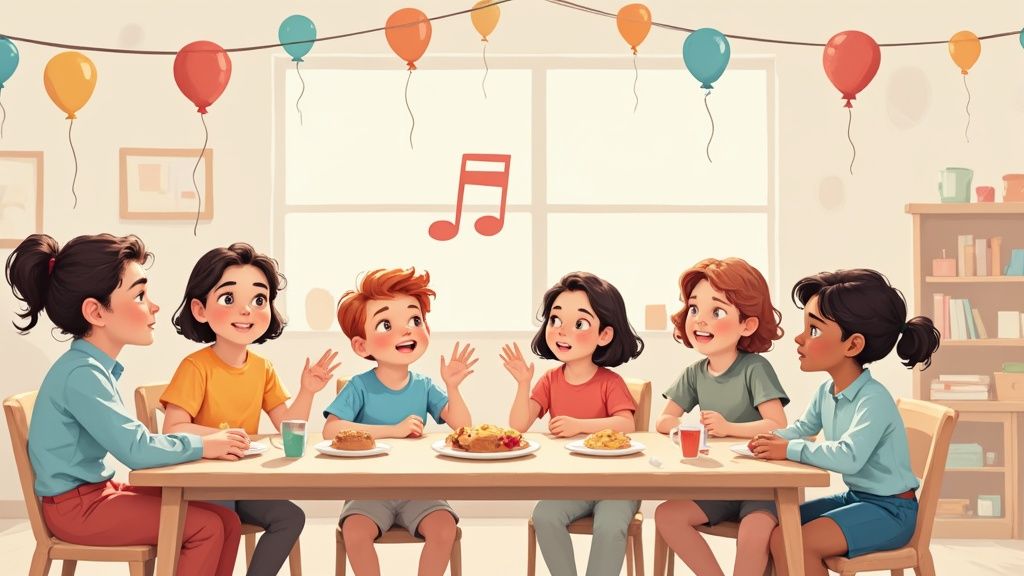
An end-of-year class party is a classic and highly anticipated way to close out the school year on a high note. This festive gathering provides a low-pressure environment for students to socialize, relax, and celebrate their hard work and accomplishments together. From simple pizza parties to themed events, a well-planned celebration acknowledges the community built throughout the year and creates lasting positive memories for everyone involved.
How to Implement a Class Party
To ensure your celebration is a success, focus on student involvement and clear planning. Begin organizing two to three weeks in advance to coordinate volunteers, food, and activities without adding to the end-of-year stress.
- Involve Students in Planning: Empower students by letting them vote on a theme, choose games, or create a class playlist. This ownership increases their excitement and engagement. Practical Example: Themes could range from a tropical luau (with limbo and fruit punch) to a "future is bright" neon day where students wear bright colors.
- Integrate Coloring Activities: Set up a quiet corner or a dedicated station with Colortada's summer-themed coloring pages, like seashells or ice cream cones. This offers a great calming activity for students who may feel overstimulated by the high energy of a party. Coloring Advice: Use gel pens or glitter markers for a festive touch, making their artwork sparkle.
- Plan Engaging Stations:
- Food & Drink: Organize a potluck-style snack table (be sure to survey for allergies) or stick to simple, crowd-pleasing options like pizza or ice cream sundaes.
- Games & Activities: Plan a mix of active games (like a scavenger hunt for hidden "summer fun" tokens) and quieter options. For a fun, academic twist, you can host a "Year-in-Review" trivia game based on what you learned.
- Photo Booth: Create a simple backdrop with streamers and balloons. Provide fun props like silly glasses, hats, and signs with phrases like "Peace Out, 3rd Grade!" for memorable photos.
3. Student Reflections and Goal-Setting Activity
A structured reflection is one of the most meaningful end of year classroom activities, prompting students to think critically about their growth. This metacognitive exercise guides them to assess their learning, celebrate achievements, and set intentional goals for the future. It transforms the end of the year from just a finish line into a valuable opportunity for self-awareness and forward-thinking.
How to Implement a Reflection and Goal-Setting Activity
To make this activity impactful, provide clear prompts and dedicated quiet time for students to think authentically about their year.
- Use Guided Templates: Provide age-appropriate worksheets to structure their thoughts. Practical Example: For younger students, use "Glow and Grow" templates where they identify a success (glow) and an area for improvement (grow). Middle and high schoolers can handle more complex portfolio reflections or digital surveys via Google Forms.
- Integrate Mindful Coloring: Incorporate Colortada's "Goal Setting" printables. Ask students to use specific colors to represent different types of goals. Coloring Advice: Use blue for academic goals (like reading 10 books), green for personal growth (like learning to be a better listener), and yellow for a new skill they want to learn (like riding a bike). This adds a creative, calming element to the process.
- Model and Share: Share your own reflections as a teacher to model vulnerability and thoughtfulness. Talk about a challenge you overcame and a goal you have for the next school year. This builds trust and shows students that growth is a lifelong process.
- Provide Sentence Starters: To support all learners, especially struggling writers, offer sentence starters like "This year, I was proud when I..." or "Next year, I want to get better at..." to help them articulate their ideas.
4. Classroom Talent Show or Performance Showcase
Hosting a talent show is an exciting end of year classroom activity that celebrates the diverse skills and passions of every student. It shifts the spotlight from academics to personal interests, allowing children to share what they love, whether it's singing, dancing, magic, comedy, or even a unique sports demonstration. This event builds confidence, fosters a supportive classroom environment, and creates a memorable, high-energy conclusion to the school year.
How to Implement a Classroom Talent Show
A successful showcase requires simple organization and a focus on participation over perfection. Start planning a couple of weeks in advance to give students time to prepare their acts and build excitement.
- Set Clear Guidelines: Establish a time limit for each performance, typically 2-3 minutes, to ensure everyone gets a turn. Encourage a wide variety of talents. Practical Example: Talents could include a student demonstrating their yo-yo skills, reciting a poem they wrote, or showing off a stop-motion animation they created.
- Create Show Programs: Have students who prefer behind-the-scenes roles design and color the event program. Use Colortada's "Music & Instruments" coloring pages as a template. Coloring Advice: Students can color the instruments in bold, primary colors (red, blue, yellow) and add the list of performers' names and acts using vibrant felt-tip pens, making it a functional and artistic keepsake.
- Run a Smooth Show:
- Practice Tech: Do a full tech rehearsal with any microphones, speakers, or projectors to avoid delays.
- Encourage Groups: Allow group acts for students who may be hesitant to perform alone.
- Provide Alternatives: For students who opt not to perform, assign important roles like "Official Announcer," "Stage Manager," or "Audience Support Leader" to ensure everyone feels included.
5. Class Olympics or Game Tournament
A Class Olympics or Game Tournament is one of the most dynamic end of year classroom activities, transforming curriculum review into an exciting, collaborative event. This structured competition channels students' energy into academic games and team challenges, reinforcing key concepts from the year in a high-engagement format. Students work in teams to complete various stations, promoting sportsmanship and peer learning as the school year winds down.
How to Implement a Class Olympics
To ensure a smooth and fun event, plan your stations and teams at least two weeks in advance. The key is to balance academic review with physical movement and pure fun.
- Balance Your Stations: Mix academic challenges with physical or creative tasks. Practical Example: Have a "Math Fact Relay" station where teams solve problems to advance, a "Vocabulary Charades" station, and a "Team Hula Hoop" challenge to see who can keep it going the longest. This approach keeps all students engaged, regardless of their academic strengths.
- Create Team Spirit: Let teams create their own names, flags, or chants. Provide Colortada's summer-themed coloring pages for teams to color as their official team crest. Coloring Advice: Using a limited color palette (like your school colors) for their flags can add a unifying, spirited touch.
- Set Up a Scoring System:
- Academic & Physical: Use a simple and visible scoring system. Teams can earn points for winning a game, demonstrating great teamwork, or finishing a task quickly.
- Creative Awards: Offer small certificates for "Most Creative Team Name," "Best Teamwork," or "Most Enthusiastic." For more creative event ideas, explore these fun summer camp activity ideas that can be easily adapted for your classroom tournament.
6. Letter Writing or Note Exchange Activity
A letter writing or note exchange is a heartfelt end of year classroom activity that fosters connection, reflection, and kindness. Students are given a structured opportunity to write meaningful notes to their classmates, teachers, or even their future selves. This simple yet powerful exercise creates personal keepsakes and reinforces a positive classroom community by encouraging students to acknowledge and appreciate one another's contributions throughout the year.
How to Implement a Letter Writing Activity
To make this activity meaningful, provide clear guidelines and create a special atmosphere. Set aside dedicated time during the last week of school for students to think, write, and share their thoughts thoughtfully.
- Provide Prompts and Templates: Offer structured templates or sentence starters to guide students. Practical Example: Prompts could include "I appreciated it when you helped me with...", "One thing I'll remember about our science project is...", or "I hope you have a great summer doing..." This helps prevent writer's block and ensures messages are specific and kind.
- Integrate Coloring: Use Colortada's "Thank You" or custom-designed notecard printables as the stationery. Students can color the borders and designs before writing their messages. Coloring Advice: Recommend using light, pastel-colored pencils for the borders so the written message remains easy to read. This artistic element makes the notes more personal and visually appealing.
- Adapt for Different Age Groups:
- Elementary: Organize a "Kindness Web" where each student's name is on a poster, and classmates write one positive sentence or word about them.
- Middle/High School: Have students write a longer, more detailed "Letter to a Classmate" or a "Letter to My Future Self," which can be sealed and returned to them during their senior year. For a digital option, use a Google Form where students submit positive messages for their peers, which you can then compile and distribute.
7. Student-Led Presentations or Teaching Sessions
Turning the tables and letting students become the teachers is a fantastic way to empower them and solidify their learning. Student-led presentations or teaching sessions allow individuals to showcase their expertise on a topic they've mastered during the year or a personal passion they want to share. This activity builds confidence, public speaking skills, and respect among peers as they see each other as knowledgeable experts.
How to Implement Student-Led Presentations
To make these sessions a highlight of your end of year classroom activities, focus on student choice and provide a supportive framework. Give students several weeks to prepare so they can deliver polished, engaging talks.
- Offer Topic Flexibility: Let students choose from a range of options. Practical Example: A student could teach the class how to do a simple card trick, demonstrate how to draw a cartoon character, or present a slideshow about their favorite historical figure. This ownership increases their motivation and the quality of the presentation.
- Provide a Clear Rubric: Create a simple rubric that outlines expectations for content, clarity, and engagement. Include criteria like "Spoke clearly" and "Answered a question from the audience" to guide their preparation.
- Use Visual Aids: Encourage students to create visual aids. They can use a poster board, a digital slide show, or even a prop. Coloring Advice: For younger students, Colortada's themed coloring pages can be used as a backdrop or a key visual. A student presenting on an animal could color in a detailed illustration of it to show the class, using realistic colors to highlight its features.
- Foster a Positive Atmosphere: Model being a supportive audience member. Teach students how to ask thoughtful questions and provide constructive, kind feedback using simple sentence starters like, "I liked how you..." or "I wonder if..."
8. Classroom Art or Creative Projects
Dedicating time for a culminating art project is one of the most engaging end of year classroom activities, allowing students to visually express their learning and memories. Whether it's a collaborative mural or an individual craft, these creative endeavors provide a hands-on, therapeutic outlet for students to process the school year's conclusion. The final pieces serve as a vibrant, collective celebration of their shared journey and individual artistic growth.
How to Implement Classroom Art Projects
To make this a memorable and low-stress activity, establish a clear theme and provide a rich variety of materials. Set aside dedicated class periods over the final week to allow for thoughtful creation without rushing.
- Offer Thematic Prompts: Provide a theme to unify the projects, such as "Our Year in Color," "A Snapshot of Our Learning," or "Hopes for the Future." This gives students a starting point while still allowing for creative freedom.
- Integrate Coloring: Use Colortada's diverse coloring pages as a foundation for mixed-media projects. Practical Example: Have students color a character or scene, cut it out, and paste it onto a larger painted background to create a dynamic collage that tells a story about their year. Coloring Advice: Encourage blending and shading with colored pencils to give the cut-outs a 3D effect on the collage.
- Set Up Creative Stations:
- Mural Making: Tape a large sheet of butcher paper to a wall or the floor. Sketch a basic outline related to your theme and let students fill in sections with paint, markers, or collaged materials.
- Individual Keepsakes: Provide small canvases, wooden plaques, or smooth rocks for students to paint a favorite memory. These personal mementos are perfect for them to take home.
- Digital Creations: For tech-savvy classes, use apps like Procreate or Canva to design a digital collage or animation that captures the highlights of the school year. You can explore more ideas for structured creative sessions by looking into various elementary art lesson ideas.
9. Class Trip or Field Experience
A final class trip is a memorable way to cap off the school year, offering students a shared experience outside the classroom walls. This end of year classroom activity provides a dynamic, real-world context for academic learning and serves as a powerful reward for a year of hard work. Whether visiting a local museum, park, or historical site, a field trip creates lasting memories and strengthens the classroom community just before summer break.
How to Implement a Class Trip
Careful planning is essential for a smooth and successful field experience. Start organizing at least four to six weeks in advance to coordinate transportation, permissions, and any necessary bookings.
- Plan and Prepare: Research your destination and create a detailed itinerary. Send home comprehensive permission slips and information packets for families. Secure parent chaperones well in advance to ensure you have enough adult supervision.
- Integrate Coloring: Prepare students for the trip by using Colortada's "Summer Vacation" coloring pages. Practical Example: Before a zoo trip, have students research an animal they will see, then draw and color it on their page, turning it into a pre-trip learning activity. Coloring Advice: Encourage them to use realistic colors and add the animal’s habitat in the background.
- Document the Experience:
- Younger Students: Give students a simple "Field Trip Scavenger Hunt" printable to complete during the visit. This keeps them engaged and focused on observing their surroundings.
- Older Students: Require students to document their experience through a photo journal or a short reflective writing piece. You can also provide a structured worksheet for them to record observations and answer questions related to the location. For a virtual alternative, platforms like Discovery Education offer incredible digital field trips that can be just as engaging.
10. Classroom Awards and Superlatives Ceremony
Hosting a classroom awards and superlatives ceremony is a fantastic way to honor every student’s unique contributions and growth. This celebratory event moves beyond purely academic achievements to recognize diverse qualities like kindness, creativity, improvement, and humor. It's one of the most heartwarming end of year classroom activities because it ensures every child feels seen, valued, and appreciated for who they are as an individual.

How to Implement a Classroom Awards Ceremony
To make this event memorable and inclusive, focus on variety and genuine appreciation. A well-planned ceremony can be a powerful final moment of positive reinforcement and community bonding.
- Create Inclusive Categories: Brainstorm at least 25 different award categories to guarantee every student receives one. Practical Example: Include academic awards ("Math Whiz"), personal growth awards ("Most Improved Focus"), and lighthearted superlatives ("Future Comedian," "Best Storyteller," "Ray of Sunshine"). Be sure to avoid any categories that could be perceived as hurtful.
- Design Colorful Certificates: Print beautiful certificates for each award. Use Colortada’s customizable award templates and allow students to decorate their own certificate borders with vibrant markers or colored pencils before the ceremony begins. Coloring Advice: Suggest using metallic gold and silver markers on the borders to make the awards feel extra special and official. You can also explore more ways to celebrate student success by reading about ideas for a classroom reward system.
- Involve Students in the Process:
- Student Voting: For older students (middle or high school), allow them to vote for superlatives like "Most Likely to Become a Scientist" or "Most Creative." Review the results to ensure they are positive and appropriate.
- Teacher Nominations: For younger grades, the teacher can select the winners, ensuring a fair distribution that highlights each child's strengths. When presenting, read a short, specific reason why the student earned that award to make it more meaningful.
End-of-Year Classroom Activities — 10-Item Comparison
| Activity | 🔄 Complexity | ⚡ Resources & Time | 📊 Expected outcomes | 💡 Ideal use cases | ⭐ Key advantages |
|---|---|---|---|---|---|
| Class Yearbook or Memory Book Project | Medium–High: coordinate contributions & layout | Moderate: templates, printing or digital platform; 2–3 weeks | High: tangible keepsake; stronger class bonds | All grades; year-end keepsake, community building | Durable memories; fosters creativity and writing |
| End-of-Year Class Party and Celebration | Low–Medium: event planning and supervision | Moderate: food, games, music; 2–3 weeks prep | High: morale boost; positive closure | Celebrations, informal bonding, reward periods | Highly engaging; relaxed social closure |
| Student Reflections and Goal-Setting Activity | Low: structured prompts; some individual time | Low: paper/forms or digital; teacher conferencing time | High: increased self-awareness and goal clarity | Preparing for next year; metacognition development | Promotes reflection; easy to adapt and document progress |
| Classroom Talent Show or Performance Showcase | Medium–High: scheduling, rehearsals, staging | Moderate–High: AV, props, rehearsal time | High: builds confidence; showcases diverse skills | Confidence-building, celebrating non-academic talents | High student engagement; public self-expression |
| Class Olympics or Game Tournament | High: multiple stations, scoring, logistics | High: space, materials, facilitators; 2–3+ weeks prep | High: curriculum review; teamwork and motivation | Review sessions, team-building, active engagement | Combines learning and play; inclusive variety of activities |
| Letter Writing or Note Exchange Activity | Low: simple organization and templates | Low: stationery or digital tools; short class time | Moderate: strengthened relationships; writing practice | Building relationships, gratitude exercises, keepsakes | Low cost; emotionally meaningful and inclusive |
| Student-Led Presentations or Teaching Sessions | Medium–High: prep, coaching, timing | Moderate: tech or poster materials; 3–4 weeks prep | High: improved public speaking and ownership | Culminating projects, research sharing, skill practice | Develops real-world communication and leadership |
| Classroom Art or Creative Projects | Low–Medium: guidance and cleanup | Moderate: art supplies, drying/display space | Moderate: creative expression; classroom displays | Inclusive creative activities, stress relief, community art | Encourages creativity; low-pressure and adaptable |
| Class Trip or Field Experience | High: permissions, transport, safety logistics | High: cost, chaperones, scheduling; 4–6 weeks prep | High: memorable shared experiences; real-world learning | Experiential learning, curriculum extension, bonding | Strong impact on engagement and real-world connections |
| Classroom Awards and Superlatives Ceremony | Medium: category planning and presentation | Low–Moderate: certificates, printing, event time | High: recognition, self-esteem, positive closure | Recognition-focused events, year-end celebrations | Ensures broad recognition; boosts belonging and pride |
Making the Final Days Count
As the school year winds down, the energy in the classroom transforms. The final bell is in sight, but these last few days are far more than a simple countdown. They represent a critical opportunity to cement learning, celebrate achievements, and foster a lasting sense of community. By carefully curating a mix of engaging end of year classroom activities, you can transform potential chaos into a meaningful and memorable conclusion to your students' academic journey. This is your chance to solidify the bonds formed, reflect on the incredible growth that has occurred, and set a positive tone for the summer ahead.
The activities explored in this article, from creating a collaborative Class Yearbook to hosting a lively Classroom Awards Ceremony, all share a common thread: they put students at the center of the experience. They validate individual contributions while celebrating collective success. Whether you choose a high-energy Class Olympics or a quiet, reflective Letter Writing exchange, the goal is to make every student feel seen, valued, and proud of their progress. The key is intentionality; select activities that align with your classroom culture and provide a satisfying sense of closure.
Weaving It All Together
To truly make these final days impactful, consider combining different elements. For example, integrate a reflective goal-setting session into your Class Party, or use the Student-Led Presentations as a platform for sharing work from a final creative art project. Remember the power of simple, calming activities to balance the excitement. A well-chosen coloring page from Colortada can be a perfect transition tool, offering a moment of mindful focus between a boisterous game and a heartfelt awards ceremony. For coloring, encourage students to use a limited color palette of 3-4 coordinating shades to create a unified, artistic look on their pages.
As you finalize your plans, don't forget the importance of expressing gratitude. Acknowledging the support systems that have contributed to a successful year is a powerful lesson in itself. Organizing a group teacher appreciation card is a wonderful way for students and parents to collectively thank specials teachers, support staff, or parent volunteers who have made a difference. This simple act reinforces the idea that success is a community effort.
Ultimately, the best end of year classroom activities are those that leave students with a warm sense of accomplishment and happy memories. You have guided them through a year of challenges and triumphs. Now, you have the privilege of orchestrating a final, positive experience that honors their journey and sends them off with confidence, ready for the adventures that lie ahead.
Ready to add a splash of creativity to your end-of-year plans? Explore the vast library of printable coloring pages at Colortada to find the perfect, low-prep activity for any occasion. Visit Colortada today to download beautiful, engaging designs that will keep your students happily occupied and creatively fulfilled.